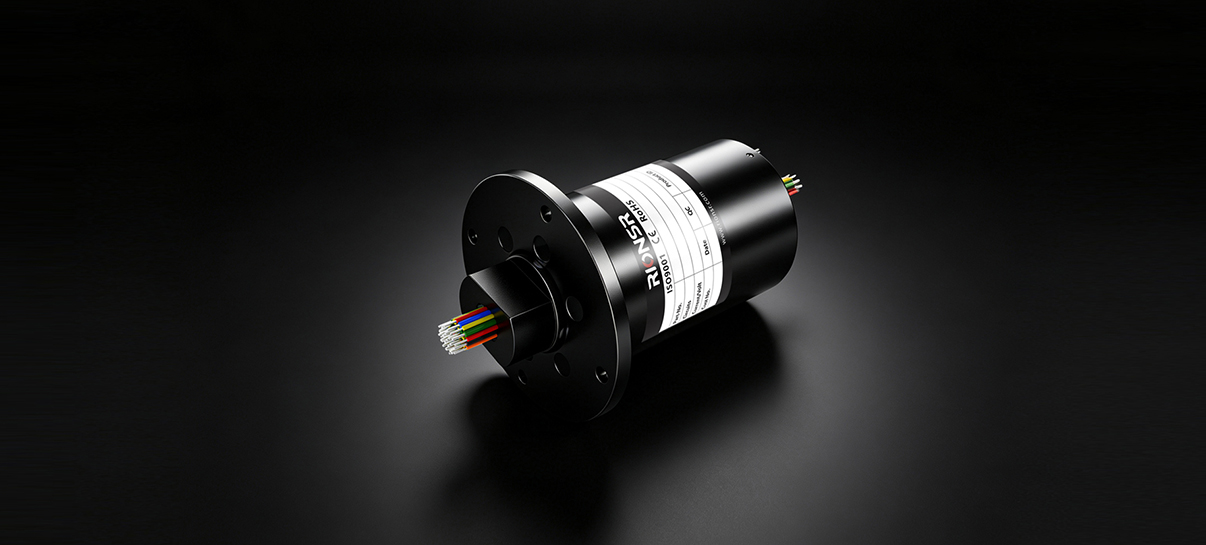
Aerial gimbal cameras, broadcast live rigs, medical CT scanners, pipeline inspection crawlers and industrial vision turrets all require unrestricted 360° rotation with lossless HDMI/HD-SDI high-definition video transmission. Generic standard slip rings suffer from insufficient gold plating and inadequate shielding, resulting in video noise, screen tearing and signal dropout once rotated past 180 degrees. HD video slip rings feature optimized contact alloys and multi-layer shielding tailored for high-speed differential video signals, making them a mandatory component for professional rotary vision equipment. This article breaks down internal construction, core strengths, industry selection criteria, installation standards and solutions for frequent signal failures.
HD Video Slip Rings (HD-SDI / HDMI)
Eliminate Image Freeze & Screen Tearing – Full Selection, Installation & Troubleshooting Guide
1 Definition & Working Principle
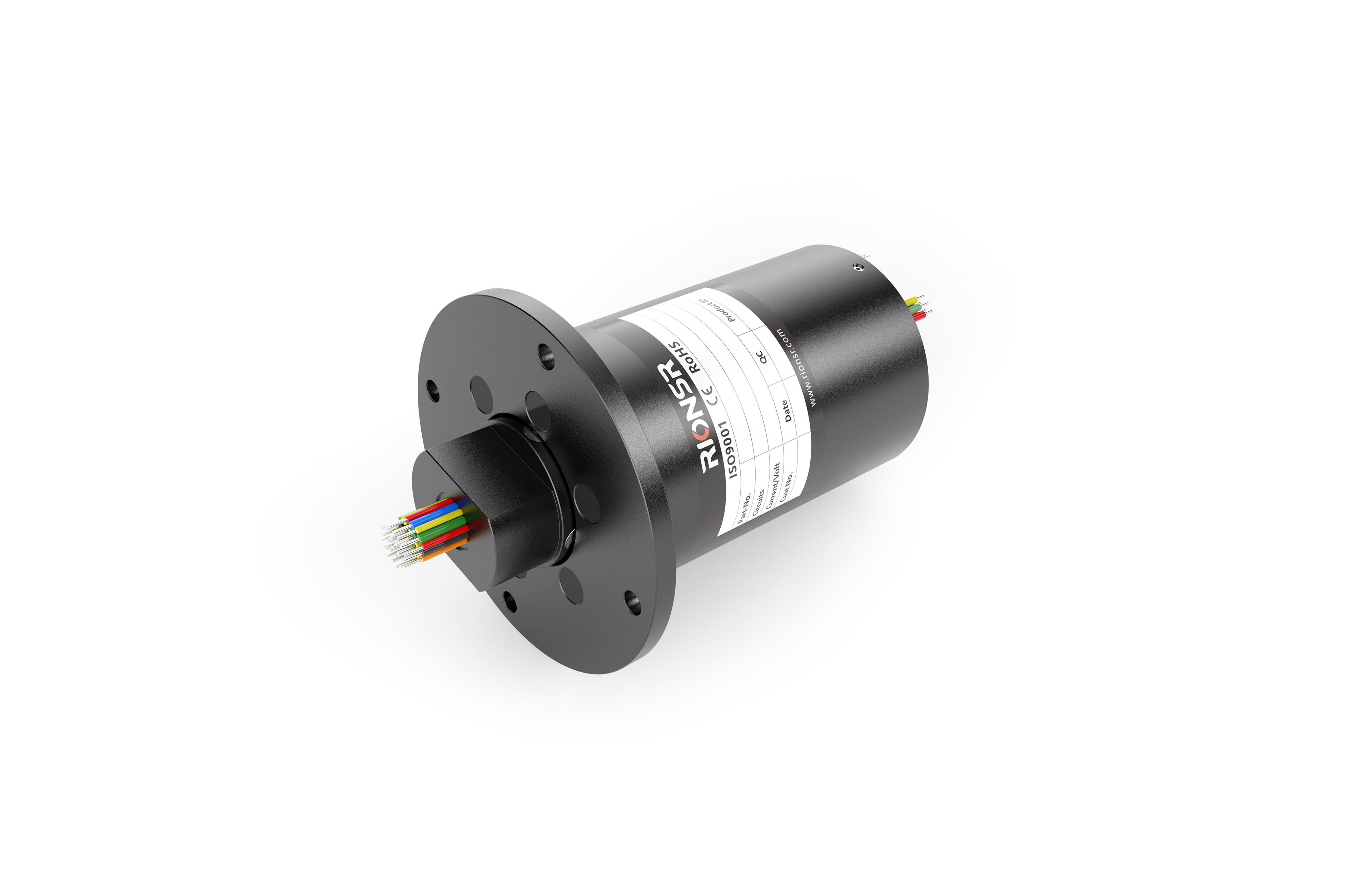
HD video slip rings are specialized rotary interconnects engineered exclusively for HDMI 1.4/2.0, 3G/12G HD-SDI and USB high-definition imaging signals. Continuous electrical contact between high-purity precious metal brushes and thick gold-plated ring tracks maintains stable signal-to-noise ratio during full rotation. Unlike generic signal slip rings, every video channel is equipped with independent double-layer shielding to suppress electrical noise generated by brush friction, eliminating horizontal banding and color distortion on displays. Rotor and stator impedance are precisely matched at factory to eradicate signal reflection that causes screen freezes or blackouts.
2 Internal Structure & Core Advantages
A standard HD video slip ring consists of independently shielded video circuits, precious metal conductive rings, low-friction precision brushes, anti-interference metallic shielding housing, positioning bearings and composite insulating layers. Its design addresses four top customer pain points:
- Ultra-Low Signal Jitter & Attenuation: 12G-SDI variants support 8K video transmission with total signal attenuation below 0.3dB, free of screen tearing and motion blur;
- Isolated Full-Channel Shielding: Video circuits are physically separated from power circuits to prevent image distortion during motor startup or high-power load operation;
- Extended Rotational Lifespan: Iridium-platinum alloy brushes paired with thick hard gold ring tracks maintain consistent contact resistance over tens of millions of rotations, suitable for 24/7 continuous live broadcast rigs;
- Compact Integrated Layout: Custom units combine power supply, control bus, Ethernet and HD video channels into one compact assembly to reduce overall gimbal footprint;
- Stable Wide-Temperature Operation: Reliable signal output from -40°C to +70°C, compatible with outdoor event broadcast and low-temperature industrial inspection machinery.
3 Primary Industrial Applications
- Media & Entertainment: Broadcast live camera turrets, large-scale stage rotary filming rigs, UAV aerial cinematography, VR 360° capture equipment;
- Medical Equipment: CT scanners, surgical endoscopes, rotary dental imaging devices;
- Industrial Inspection: Pipeline crawler robots, pressure vessel internal visual inspection, 360° rotary quality testing stations;
- Security Surveillance: Vehicle-mounted panoramic forensic turrets, coastal border high-definition PTZ cameras;
- Intelligent Manufacturing: Robotic vision rotary modules, automated production line visual positioning equipment.
4 HD Slip Ring Selection Guide
- Confirm Video Protocol & Resolution: Choose 3G-SDI / HDMI 1.4 for 1080P; deploy dedicated 12G-SDI / HDMI 2.0 slip rings for 4K/8K industrial vision systems;
- Channel Combination: Select standalone video units, hybrid video+power assemblies or all-in-one video+Ethernet integrated slip rings based on system wiring needs;
- Rotational Speed Requirements: Low-speed live broadcast gimbals ≤200 RPM; high-speed industrial inspection turrets require customized low-torque high-speed variants;
- Environmental Protection Grade: IP65 dust/waterproof enclosures for outdoor live broadcast; non-magnetic, low-dust cleanroom models for medical imaging devices;
- Impedance Matching: Prioritize factory-calibrated finished units; non-standard field modification frequently triggers blackouts caused by signal reflection.
5 Installation Standards & Routine Maintenance Installation Guidelines
- Reserve sufficient slack for outgoing cables to avoid tensile stress that damages internal shielding during rotation;
- Install shock-absorbing gaskets under slip ring mounting brackets — mechanical vibration accelerates brush wear and introduces video noise;
- Separate high-voltage power wiring and HD video channels by a minimum of 5mm to reduce cross-interference;
- Implement reliable system grounding to eliminate static electric snow noise on display screens.
Common Malfunctions & Resolutions
- Fixed-angle screen banding / noise: Brush abrasion or scratch marks on gold ring tracks; return to factory for brush assembly replacement;
- Low-speed intermittent signal loss & frame freezes: Poor grounding or damaged cable shielding; reinforce ground terminals and inspect cable outer jackets;
- Color distortion under high-temperature operation: Upgrade to industrial wide-temperature HD slip rings and add heat dissipation ventilation;
- Complete no-image output after power-up: Misaligned video channel wiring; re-terminate cables following factory wiring color coding.
6 Long-Term Operation Precautions
- Avoid deployment in unprotected heavy dust or oil-contaminated environments; clean carbon powder buildup inside the housing every 6 months; do not disassemble shielding housing independently, as this destroys built-in anti-interference structures; select non-magnetic enclosure models for medical imaging equipment to prevent scan offset artifacts.
- RIONSR manufactures HD-SDI / HDMI slip rings ranging from 1 to 16 channels, with customizable integrated power, control and Ethernet circuits. Our low-noise rotary transmission solutions are engineered for live broadcast, medical imaging and industrial vision equipment to eliminate recurring HD video signal failure issues during continuous rotation.