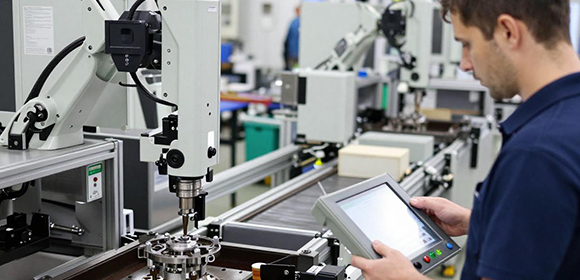
Automated Packaging Systems
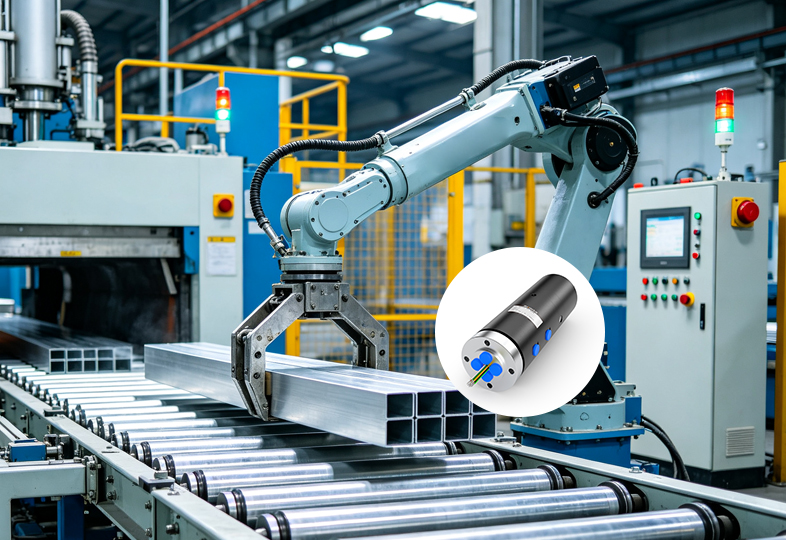
Rotary packaging turntables and cable winding machines operate under long-term high-speed cyclic rotation. Ordinary cables are prone to breakage, leading to misaligned packaging and winding precision errors. Hybrid integrated slip rings and multi-channel electro-pneumatic rotary unions transmit power, vision data and clamping fluid at the same time. Precious metal contacts deliver stable signal transmission with dust and vibration resistance. Customizable bore sizes and channels reduce cable maintenance downtime and boost overall packaging line efficiency.
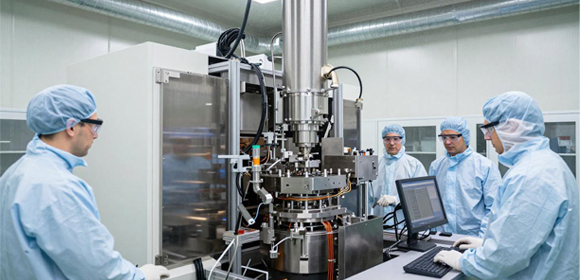
Semiconductor Manufacturing Equipment
Wafer probers and IC burn-in stations adopt high-speed rotation for multi-point precision testing, with strict standards for workshop cleanliness and anti-interference performance. Through-bore hybrid fiber slip rings and low-torque rotary unions generate zero particle shedding, transmit stable high-speed test signals and avoid misjudgment caused by EMI. Modular design simplifies machine assembly and improves chip testing accuracy & equipment uptime.
Camera Module Manufacturing Equipment
Optical inspection machines for camera modules of consumer electronics, vehicles, UAVs and laptops feature compact internal space with strict limits on slip ring size, torque and noise. Mini capsule and mercury slip rings paired with compact low-torque rotary unions deliver smooth jitter-free rotation and stable transmission of imaging and MIPI signals. Lightweight layout simplifies internal wiring, fits clean optical testing workshops, guarantees accurate imaging test data and reduces module defect rates.
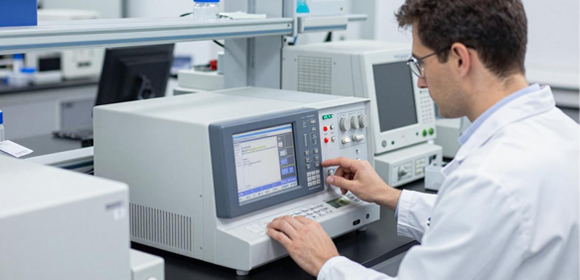
Electronic Testing Equipment
PCB AOI inspection turntables, lithium battery performance tooling and miniature 3C indexing stations require full 360° rotary scanning imaging. Cable pulling easily results in stuttering and distorted images. Dedicated Ethernet slip rings combined with hollow low-torque rotary unions realize lossless high-speed HD image transmission. Built-in shielding blocks factory electromagnetic interference to fully capture tiny defects of circuits and batteries, greatly improving automatic electronic testing throughput.